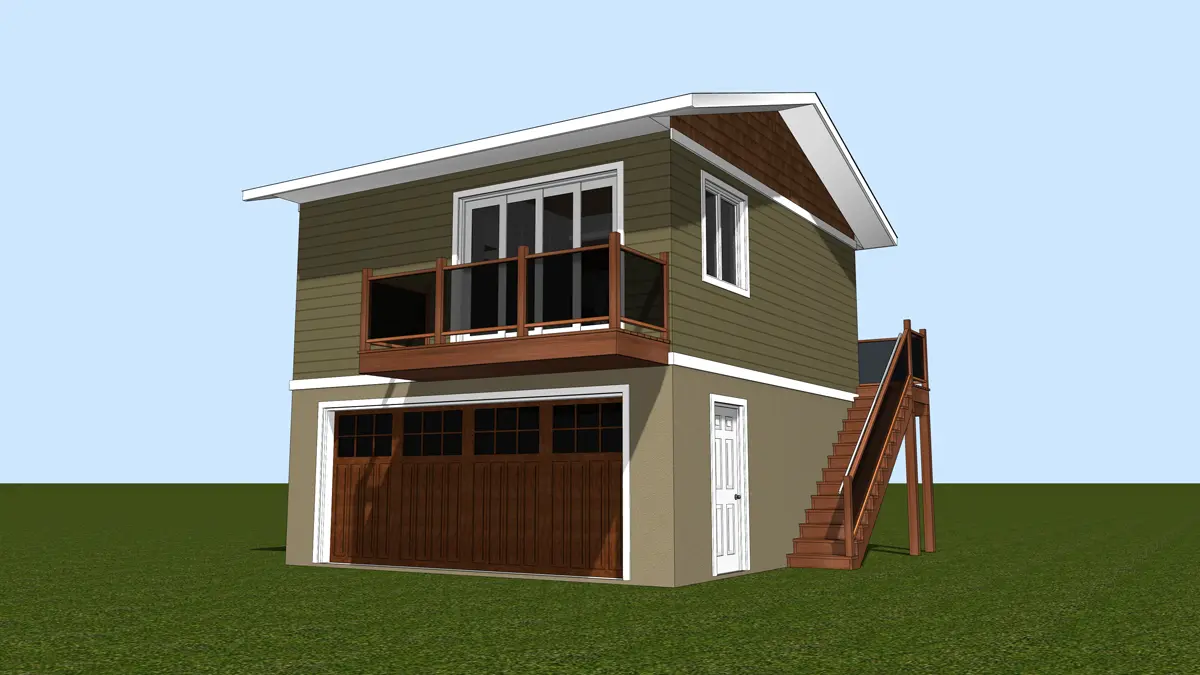
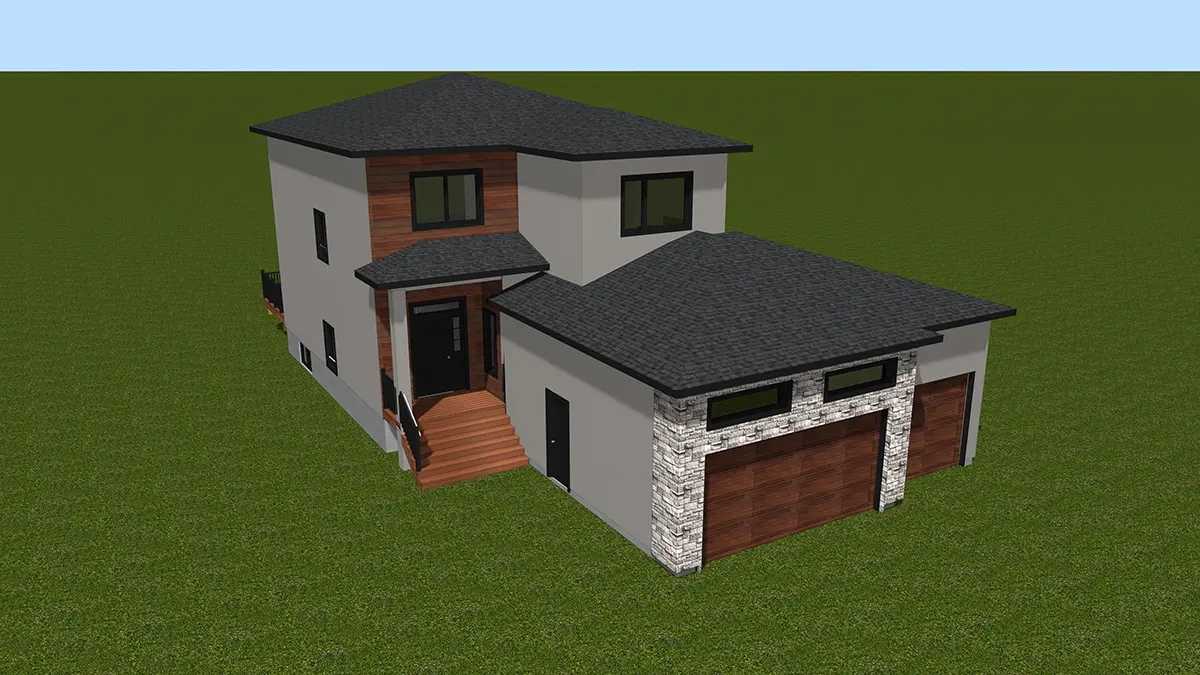
Cabins are synonymous with tranquility and a connection to nature, making them a popular choice for those seeking a retreat from urban life. If you’re considering building a custom cabin in Canada, understanding the key aspects of cabin design can help you make informed decisions.
What is a Cabin?
A cabin is a small, rustic dwelling often located in remote or natural settings. These structures are typically used as vacation homes or weekend getaways, providing a cozy and intimate living space that emphasizes simplicity and a connection to the outdoors. Cabins can vary widely in size and style, from basic shelters to more elaborate structures with modern amenities.
What Makes a Cabin a Cabin?
Several features define a cabin:
- Rustic Aesthetic: Cabins often feature natural materials such as wood and stone, blending seamlessly with their surroundings. The design is usually simple and functional, emphasizing comfort and coziness.
- Compact Size: Cabins are generally smaller than regular homes, with a focus on efficient use of space. This compact size contributes to the cabin’s charm and practicality.
- Natural Setting: Cabins are typically situated in natural environments such as forests, mountains, or near lakes. This setting enhances the cabin experience, providing a peaceful retreat from city life.
- Functional Layout: The layout of a cabin is often straightforward, with an open floor plan that maximizes space and light. Essential living areas such as the kitchen, living room, and sleeping quarters are often combined to create a seamless flow.
What’s the Difference Between a Cabin and a Cottage?
While the terms “cabin” and “cottage” are often used interchangeably, there are subtle differences:
- Location: Cabins are usually found in more remote, wilderness areas, while cottages are often located near water bodies like lakes or coastal regions.
- Design: Cabins tend to have a more rustic, rugged appearance with simpler designs, whereas cottages may have a more refined, decorative style with additional amenities.
- Purpose: Both serve as vacation homes, but cottages are often associated with summer retreats, whereas cabins can be used year-round, especially in colder climates.
Does My Cabin Need a Foundation?
Yes, a cabin typically requires a foundation to ensure stability and longevity. The type of foundation needed can vary based on the cabin’s size, location, and intended use. Common foundation types for cabins in Canada include:
- Concrete Slab: Suitable for smaller cabins and flat terrain, providing a sturdy base.
- Crawl Space: Elevates the cabin off the ground, protecting it from moisture and allowing access to utilities.
- Full Basement: Offers additional living or storage space and is ideal for larger cabins or sloped sites.
What Are the Advantages and Disadvantages of a Cabin?
Advantages:
- Connection to Nature: Cabins provide a unique opportunity to immerse oneself in natural surroundings, promoting relaxation and well-being.
Simplicity and - Minimalism: The compact size and straightforward design encourage a minimalist lifestyle, focusing on essential comforts.
- Customization: Building a custom cabin allows for personalized design choices, from layout and materials to amenities and decor.
- Cost-Effective: Generally, cabins are more affordable to build and maintain compared to larger homes, especially if located in remote areas with lower land costs.
Disadvantages:
- Accessibility: Remote locations can pose challenges for access, especially during winter months or in adverse weather conditions.
- Limited Space: The smaller size of cabins may not be suitable for large families or those needing extensive living space.
- Utilities and Services: Providing modern utilities (electricity, water, sewage) can be more complex and costly in remote areas.
- Seasonal Use: Some cabins are best suited for seasonal use, which may limit their functionality during extreme weather conditions.
Conclusion
Designing a cabin in Canada offers a unique opportunity to create a personalized retreat that embraces simplicity and nature. Understanding the essential features, foundation requirements, and pros and cons can help you make informed decisions and achieve the perfect balance between rustic charm and modern comfort. Whether for weekend getaways or extended stays, a custom cabin can provide a serene escape from the hustle and bustle of everyday life.